Understanding Crohn's.
Plain-language, evidence-based information about intestinal Crohn's disease. What it is, how it's diagnosed, how it's treated, and how to live well with it.
Where would you like to start?
Each topic opens on its own page, no endless scrolling.
Frequently Asked Questions
Quick, plain-language answers to the questions we hear most.
What causes Crohn's disease?
The exact cause is unknown. Crohn's develops from a mix of genetics, the gut microbiome, an over-active immune response, and environmental triggers such as smoking. It is not caused by anything you did or ate.
What are the early signs of Crohn's disease?
Common early signs include persistent diarrhea, crampy lower-right abdominal pain, fatigue, unintended weight loss, and reduced appetite; some people also have fever, blood in the stool, or joint and skin symptoms. Persistent symptoms deserve evaluation.
Is Crohn's the same as ulcerative colitis?
Both are forms of IBD, but they differ. Crohn's can affect any part of the digestive tract in patchy areas and through the full thickness of the wall; ulcerative colitis is limited to the colon and its inner lining. Sometimes the distinction is unclear early on. See ibdunclassified.org.
Is Crohn's disease curable?
There is no cure yet, but modern treatment can control the disease so well that many people reach lasting remission and live full, active lives. The aim is durable control and healing of the gut lining.
Does diet cause or cure Crohn's?
Diet does not cause Crohn's, and no single diet cures it. Nutrition matters a great deal, though. Some diets help manage symptoms, and dedicated nutrition therapy can treat active disease in certain situations. A dietitian experienced in IBD is invaluable.
What should I eat with Crohn's disease?
There is no one Crohn's diet. During a flare, a low-residue or specially formulated (sometimes liquid) diet may reduce symptoms; in remission, a varied, balanced diet is the goal. Keep a food-and-symptom diary and work with an IBD dietitian to find your personal triggers.
Does smoking affect Crohn's?
Yes, smoking clearly worsens Crohn's disease, increasing flares, complications, and the need for surgery. Quitting smoking is one of the most powerful things you can do for your gut.
Will I need surgery?
Not everyone does, but many people with Crohn's have surgery at some point. When it's needed, it's a planned tool to remove damaged bowel or fix complications, not a sign of failure. Medication usually continues afterward to protect the rest of the bowel.
Can I live a normal life with Crohn's?
Most people with well-managed Crohn's work, travel, exercise, and raise families. Staying on your treatment plan, keeping up with monitoring, and partnering with your care team are the keys to a full life.
What is Crohn's Disease?
Crohn's disease is a chronic form of inflammatory bowel disease (IBD) that can affect any part of the digestive tract, most often the small intestine and colon, but anywhere "from the mouth to the anus". 1,2
What it is
Crohn's is a lifelong condition where the immune system drives inflammation in the gut wall. It tends to run a relapsing–remitting course, with flares and periods of calm. 2,3
Where it strikes
It most commonly involves the end of the small intestine (terminal ileum) and the beginning of the colon, but it can appear anywhere from mouth to anus, often in patchy "skip" areas. 4,5
Common Symptoms
Symptoms vary widely depending on where the disease is active and how severe it is.
- Persistent diarrhea, sometimes with urgency
- Crampy abdominal pain, often in the lower-right belly
- Fatigue and low energy
- Unintended weight loss and reduced appetite
- Fever during flares
- Blood in the stool (more typical of colonic involvement)
- Symptoms outside the gut, joint aches, skin or eye inflammation
How It's Diagnosed
There is no single test for Crohn's. Diagnosis pieces together your story, exam, labs, scopes, and imaging.
Colonoscopy & biopsy
The cornerstone, a camera examines the colon and terminal ileum, and small tissue samples confirm the pattern of inflammation. 9
Imaging
MR enterography or CT enterography map the small bowel for inflammation, strictures, and fistulas that scopes can't reach. 10,11
Treatment
The goals are to calm inflammation, heal the gut lining, keep you in remission, and avoid complications. 16 Care is tailored to disease location, severity, and your priorities.
Medical therapy
- Steroids. Short courses to settle acute flares (not for long-term control)
- Immunomodulators, thiopurines or methotrexate to maintain remission
- Biologics, anti-TNF, anti-integrin, and anti-IL-12/23 antibodies that target specific immune pathways
- Small-molecule drugs, newer oral options such as JAK inhibitors for selected patients
- Nutrition therapy. Exclusive enteral nutrition is especially useful in children and some adults
When surgery is part of the plan
Many people with Crohn's eventually benefit from surgery. Not as a failure, but as a tool to remove badly damaged segments, relieve blockages, or treat complications. Surgery is not a cure, so medical therapy usually continues afterward to protect the remaining bowel. 17,18
- Resection, removing a diseased segment (commonly the terminal ileum) and rejoining healthy bowel
- Strictureplasty, widening a narrowed segment while preserving bowel length 19–21
- Treating complications, addressing abscesses, fistulas, or obstructions
Have perianal Crohn's?
Crohn's that affects the area around the anus, fistulas, abscesses, and fissures, is a distinct topic with its own specialized care. For dedicated, plain-language information on perianal Crohn's disease, visit our companion site pcrohns.org.
Surgery for Crohn's Disease
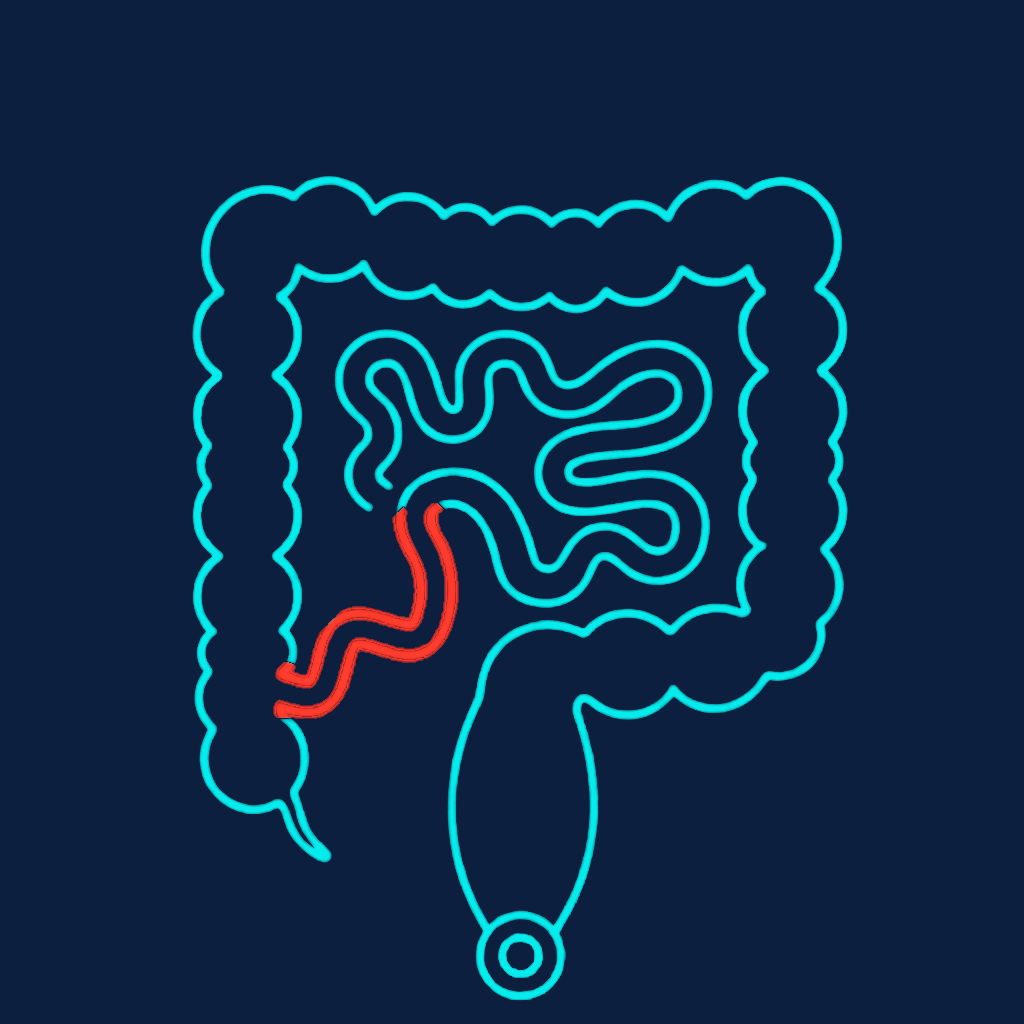
Unlike ulcerative colitis, surgery does not cure Crohn's. The disease can come back elsewhere in the gut. But surgery is one of the most valuable tools for removing a badly damaged segment, relieving a blockage, or treating a complication. Most people with Crohn's eventually have at least one operation, and it is best thought of as part of the plan rather than a failure. Medical therapy usually continues afterward to protect the remaining bowel. 7,1
ⓘ Decision-support, not direction
The operations and staging shown here describe how Crohn's surgery is typically approached in general. Every operation is individualized. The right choice, timing, and technique are decided case by case by the treating surgeon, based on their training and experience and on your specific anatomy, disease, and goals. This content does not create a physician–patient relationship, does not replace clinical judgment, and is not a substitute for evaluation by your own care team. In a medical emergency, call 911 (U.S.) or your local emergency number.
The most common operation
✂️Ileocolic resection
Crohn's most often settles in the terminal ileum. The last part of the small intestine, just before the colon. When that segment becomes narrowed, inflamed, or blocked, the surgeon removes the diseased portion and rejoins the healthy small bowel to the colon. That new connection is called an ileocolic anastomosis. It is the most common Crohn's operation, and for many people it brings lasting relief and a break from medication-only cycling. 4,17
Before & after
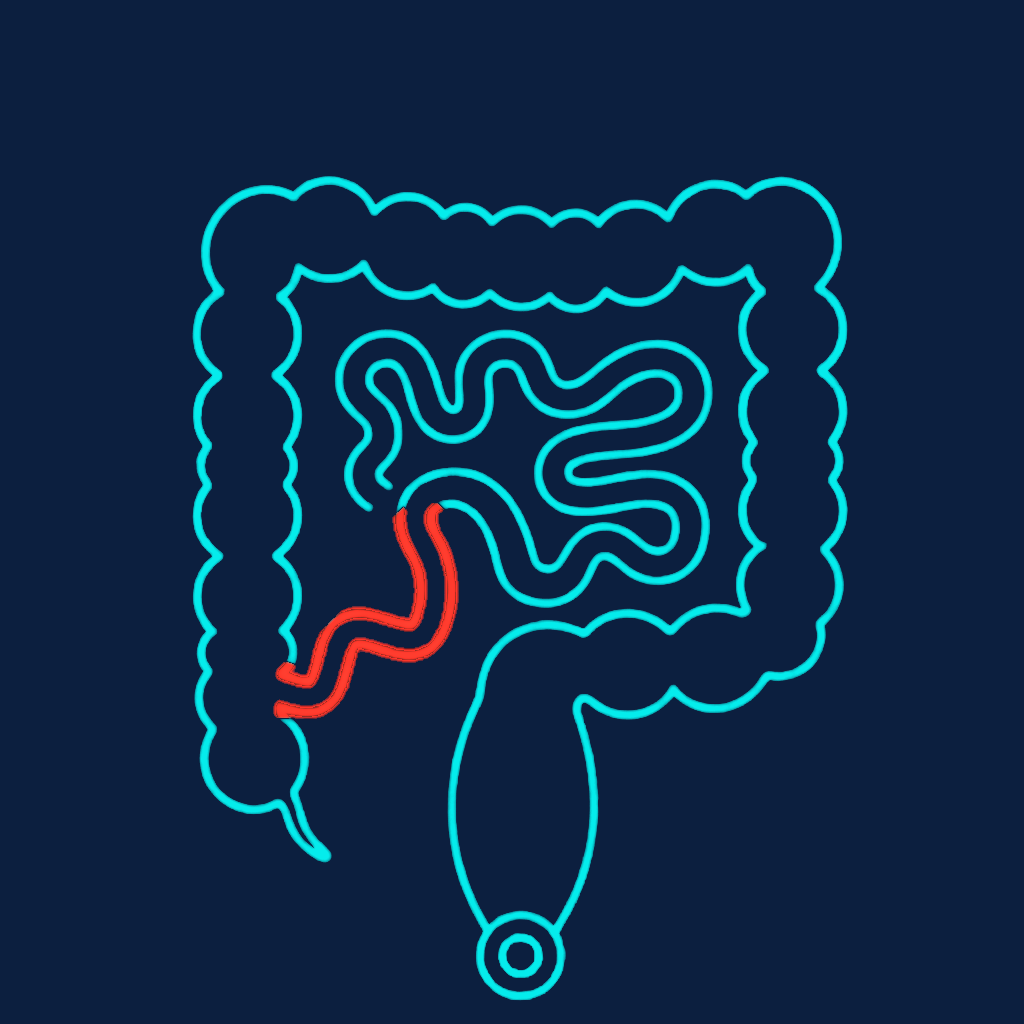 Before: terminal ileitis
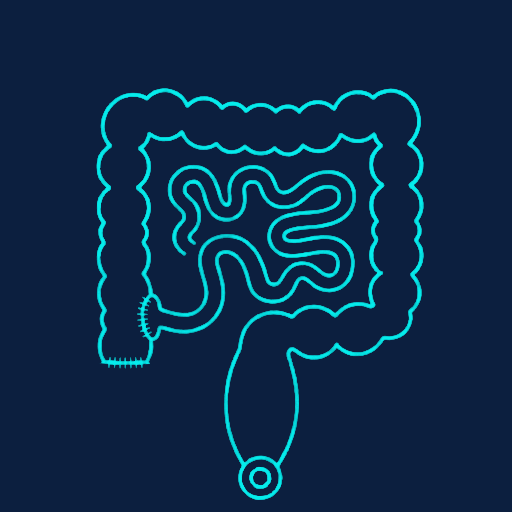 After: ileocolic anastomosis
Other operations
🔗Surgery for Crohn's colitis (IRA)
When Crohn's mainly affects the colon but spares the rectum, the colon can be removed and the small intestine joined directly to the retained rectum, an ileorectal anastomosis (IRA). This avoids a permanent stoma and a pelvic pouch. Because the rectum is left in place and can still develop disease, it needs ongoing surveillance. Depending on how the bowel looks at operation, an IRA may be done in one stage or two. 1,7
2-stage IRA
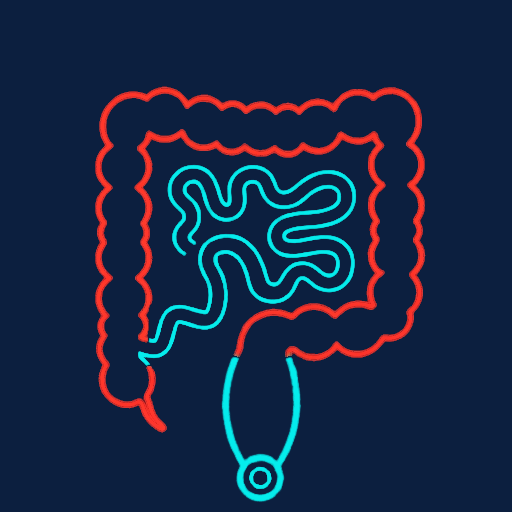 Colitis, rectum spared
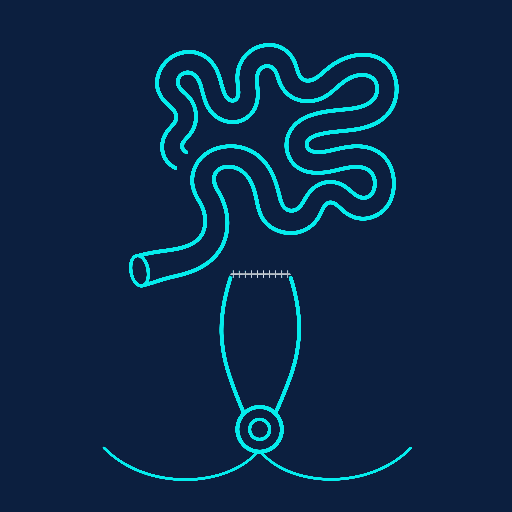 Stage 1: colon removed
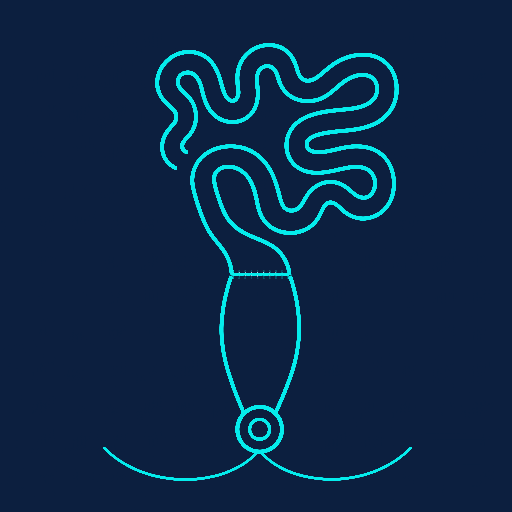 Stage 2: IRA
1-stage IRA
Colitis, rectum sparedIRA🩹Strictureplasty
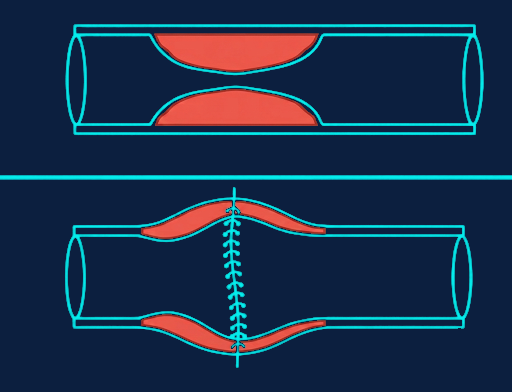
When a narrowing (stricture) blocks the bowel but the segment is scarred rather than heavily inflamed, the surgeon can widen it without removing any intestine. This preserves bowel length, especially valuable for people who have already had resections or have several narrowed segments. 11,19–21
Before & after
What shapes the decision
🤝Shared decision-making
Whether, when, and which operation to have is a shared decision between you and your surgeon. Weighing symptom relief, how much bowel can be preserved, recovery, and your own priorities. In Crohn's, the decision often matters more than the incision. 1
🔁Crohn's can come back
Because surgery is not a cure, Crohn's can return, most often right at the new connection. Taking medication after surgery and, above all, not smoking measurably lowers that risk, and follow-up colonoscopy checks for early recurrence. 18,23,6
🔬Minimally invasive when possible
Many Crohn's operations, especially ileocolic resection, can be done laparoscopically through small incisions, which usually means less pain and a faster recovery. Whether that approach fits depends on your anatomy and prior surgery. 7
Have perianal Crohn's?
Crohn's affecting the area around the anus, fistulas, abscesses, and fissures, is a distinct topic with its own specialized surgical care. For dedicated, plain-language information, visit our companion site pcrohns.org.
Living Well
Day-to-day habits and preventive care that help you stay in remission and feel your best.
Stay on treatment
Crohn's can be quiet even while inflammation continues. Keeping up with medication and monitoring, even when you feel fine, reduces the risk of flares and complications. 22
Don't smoke
Quitting smoking measurably improves the course of Crohn's. It's the single most impactful lifestyle change. 6,23
Mind your nutrition
Work with an IBD dietitian to maintain weight, correct deficiencies (iron, B12, vitamin D), and find what your gut tolerates.
Keep up preventive care
Vaccinations, bone-health checks, and cancer surveillance matter, especially with long-standing disease or immune-suppressing therapy.
Tend your mental health
Living with a chronic illness is hard. Stress management and support, professional or peer, are part of good IBD care, not extras.
Know your flare signs
Learn your personal early warning signs and have a plan with your team for what to do when a flare starts.
About Crohnz.org
Crohnz.org is a plain-language, evidence-based guide to intestinal Crohn's disease, its symptoms, diagnosis, medical and surgical treatment, and how to live well with it. It exists to collapse the distance between what the research shows and what patients and families actually hear: instead of the ~17 years it typically takes evidence to reach everyday care, Crohnz pairs the best available Crohn's literature with a “deep and narrow” AI that answers questions in clear language. It is part of the IBDology family of paired provider and patient IBD sites.

This site was created by Stefan D. Holubar, MD, MS, FACS, FASCRS, Professor of Surgery at Cleveland Clinic and the Cleveland Clinic Lerner College of Medicine & Case Western Reserve University. A fellowship-trained colorectal surgeon who specializes in inflammatory bowel disease, he lives with IBD and a J-pouch himself and brings both the surgeon's and the patient's perspective to this work. He is co-PI of the Crohn's & Colitis Foundation IBD-SIRCQ and the ACS-NSQIP IBD Collaborative, founder of the iPouch Consortium, and has authored over 300 peer-reviewed publications.
Dr. Holubar is an employee of Cleveland Clinic, and has the following disclosures: research funding from the American Society of Colon & Rectal Surgeons and the Crohn's & Colitis Foundation, and has no other disclosures or conflicts of interest.